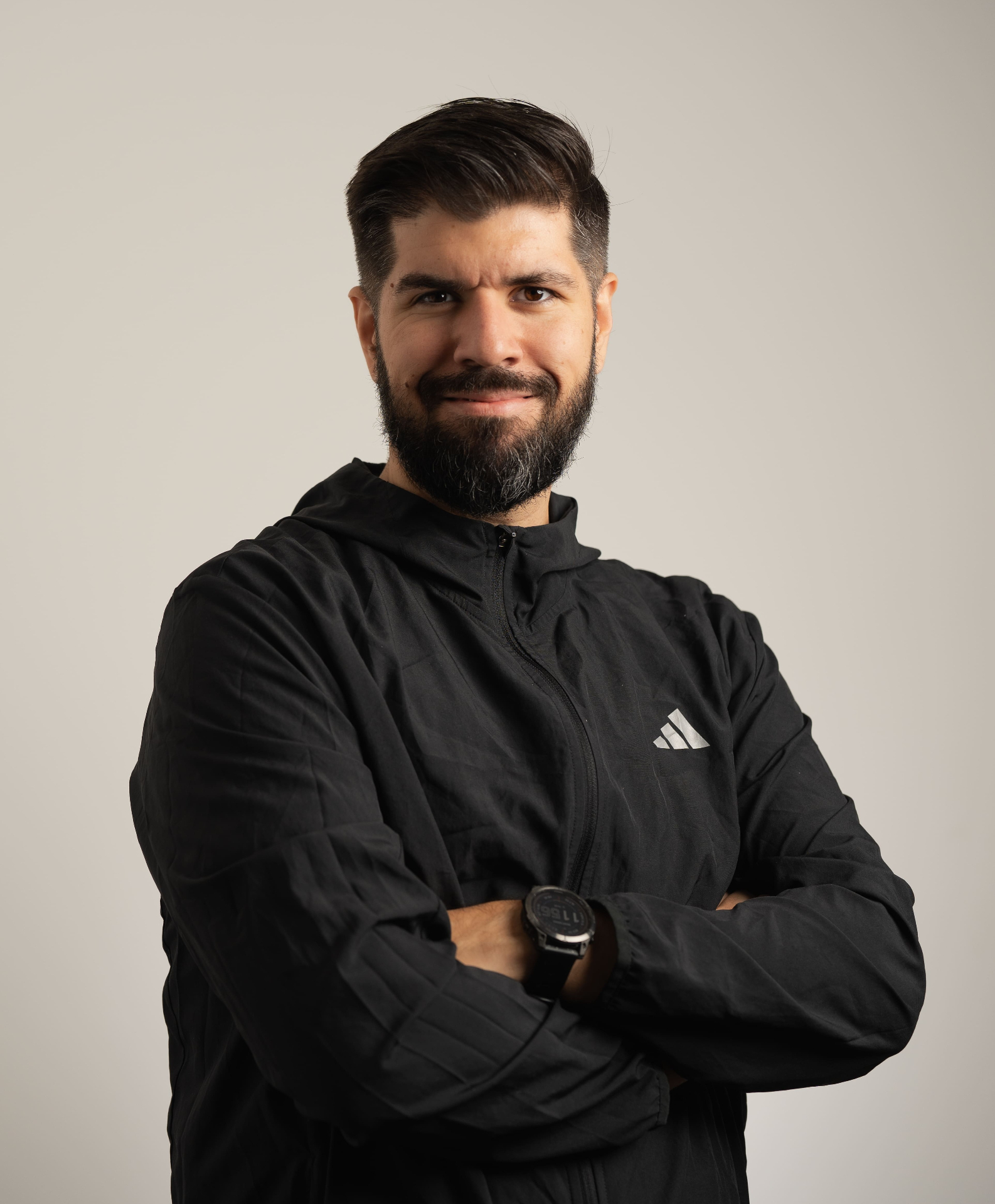
Uroš Conquers Arilje Trail 81K: A 3,500m Ultra Race Report
Uroš takes on the Arilje Trail 81K, tackling 81 kilometres, almost 3,500m of elevation and two demanding days of ultra running through the mountains of western Serbia.
By Alex, UESCA certified running coach | 24 Mar 2026 | 4 min read
The most common mistake I see from new coaching clients is not what you'd expect. It isn't skipping runs, or doing too little. It's running every single session at the same medium-hard effort, every week, until something breaks. Usually what breaks is them.
I see this pattern constantly. A runner who works hard, trains consistently, and makes almost no progress for months. Then we slow their easy runs down by 90 seconds per kilometre, add one proper hard session per week, and within 6 to 8 weeks their race pace is faster than it has ever been.
This is not a coincidence. It is exercise physiology.
Most recreational runners operate in what coaches call the grey zone. Not easy enough to build aerobic base. Not hard enough to create meaningful speed adaptation. Just hard enough to accumulate fatigue without triggering the adaptations that make you faster.
The result is a runner who always feels moderately tired, never feels genuinely recovered, and wonders why their pace hasn't changed in a year.
If your easy runs leave you breathing hard, your easy runs are not easy. That is the whole problem.
You have heard of training zones. Here is what they actually mean in practice, without the jargon.
Zone 1 and 2 (easy): You can hold a full conversation. Your breathing is relaxed. This feels almost embarrassingly slow if you're not used to it. This is where 80 percent of your running should happen.
Zone 3 (moderate): You can speak in short sentences. This is the grey zone. Useful occasionally, overused constantly.
Zone 4 (threshold): Hard but controlled. You can say a few words but not hold a conversation. This is your tempo pace. Genuinely difficult. Reserve this for sessions designed around it.
Zone 5 (maximum): All out. Intervals, strides, race efforts. Unsustainable for more than a few minutes.
The magic formula that coaches and research consistently support is called polarised training. Roughly 80 percent of your running in zones 1 and 2, and 20 percent in zones 4 and 5. Almost nothing in zone 3.

When you run at a genuinely easy effort, your body builds mitochondrial density in your muscle cells. More mitochondria means more aerobic capacity, which means you can run faster at the same perceived effort. This adaptation takes weeks to develop and is only triggered by sustained easy running.
Running too hard interferes with this process. Your body is too busy managing stress to build the aerobic infrastructure it needs.
Easy running also improves fat oxidation, the ability to use fat as fuel. This is critical for half marathon and beyond. The runner who can rely on fat for fuel at race pace will never hit the wall. The runner who can't, will.
I build every coaching plan around your actual aerobic base, not a generic template. Daily WhatsApp access and weekly adjustments included.
See coaching optionsHere is a simple example for a runner targeting a half marathon, running 4 days per week.
Monday: rest or easy walk.
Tuesday: easy run 45 to 60 minutes, zone 2 only. If you're breathing hard, slow down.
Wednesday: rest.
Thursday: one quality session. Tempo intervals or a structured fartlek. 30 to 40 minutes total including warm up and cool down.
Friday: rest.
Saturday: long easy run. Zone 1 to 2 the entire way. No exceptions.
Sunday: rest or very short easy shake-out.
Three of the four runs are easy. One is hard. That ratio is the point.
Use one of these three methods, in order of reliability.
The talk test. You should be able to speak in full sentences without pausing for breath. If you can't, slow down. No exceptions.
Heart rate. Easy running sits at roughly 60 to 70 percent of your maximum heart rate. If you don't know your max, use 220 minus your age as a rough guide. Run below that number for every easy session.
Pace. This varies by runner, but most people find their easy pace is 90 seconds to 2 minutes per kilometre slower than their 5K race pace. If it feels embarrassingly slow, it is probably right.
One of my athletes came to me completely burnt out. He had been running every session hard, convinced that suffering meant progress. His easy pace had not changed in 18 months.
We rebuilt his training from scratch around zones. The first few weeks, his easy runs felt almost insultingly slow. He messaged me after week two to say it felt like cheating.
Ten weeks later, his easy pace was 45 seconds per kilometre faster than when we started, without him running a single hard easy session. The burnout was gone. The joy came back. Slowing down was the only thing that changed.
Pick your next easy run. Set a rule before you leave the door: if your breathing gets heavy, you slow down. Walk if you need to. The pace does not matter. The effort does.
Do this for four weeks consistently and check your easy pace. It will be faster. Not because you trained harder, but because you finally trained smart.

Alex, UESCA Certified Running Coach
15 years running. Coaching runners from 5K to 100K ultramarathon.
Work with Alex
Uroš takes on the Arilje Trail 81K, tackling 81 kilometres, almost 3,500m of elevation and two demanding days of ultra running through the mountains of western Serbia.

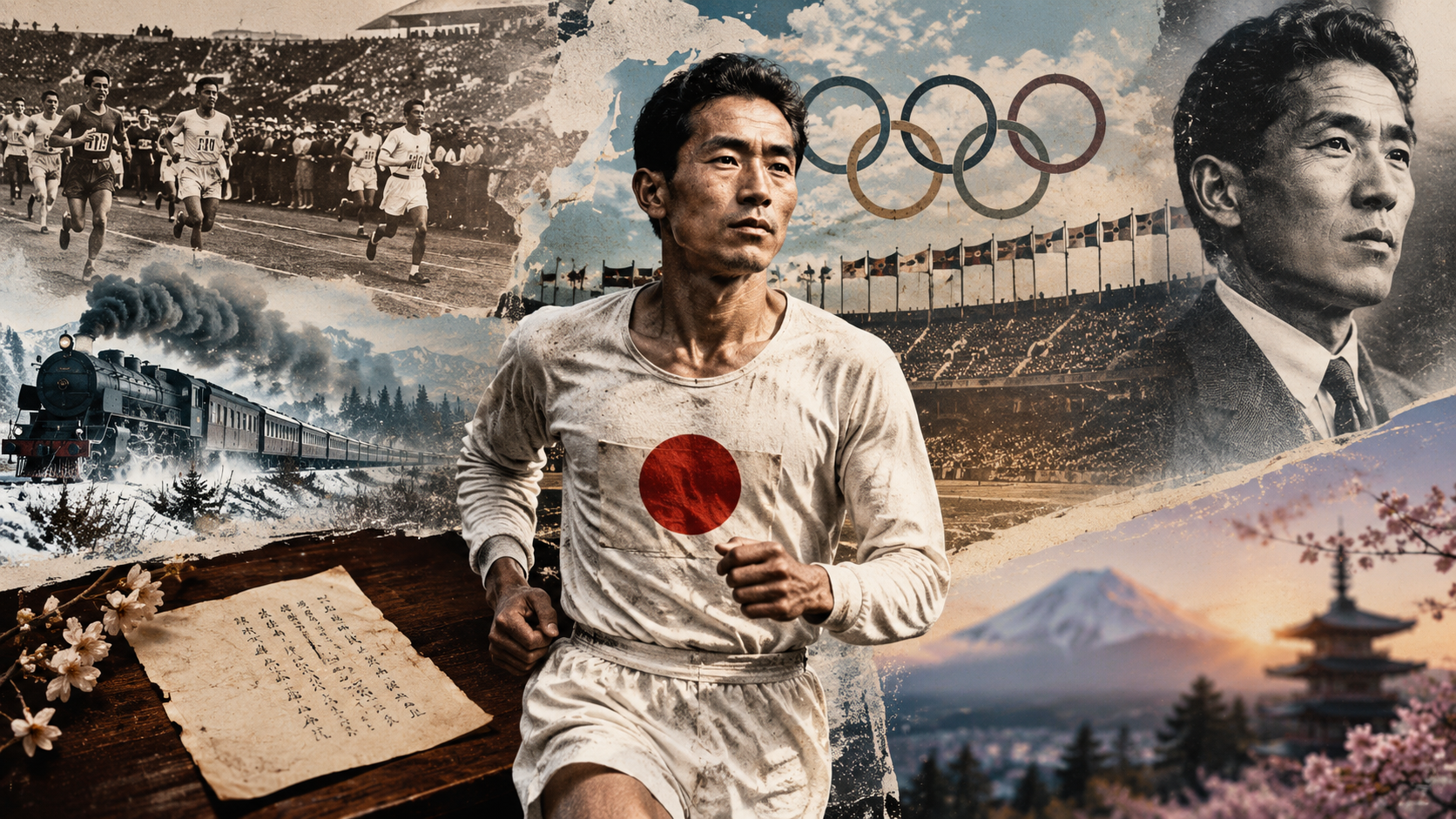
The story of Shizo Kanakuri is one of the strangest in Olympic history. A Japanese world-record holder traveled for weeks by ship and train to reach the 1912 Stockholm Olympics, only to collapse during one of the hottest marathons ever run. He disappeared without officially withdrawing, returned to Japan, and remained on Sweden's missing-person list for decades. Then, 54 years later, he came back to finish the race.