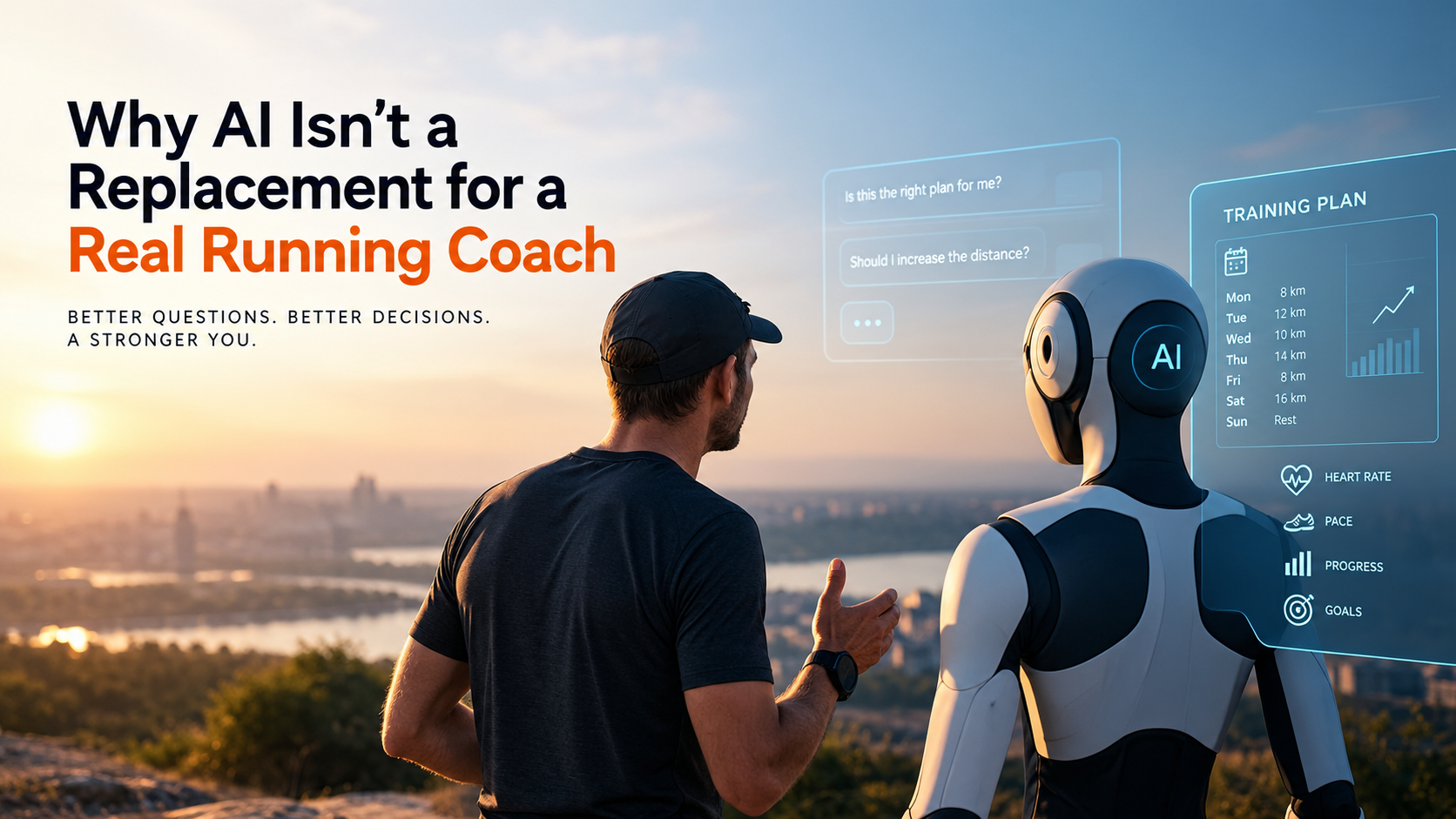
With the exponential development of artificial intelligence, we are witnessing what may well be one of the most significant moments in human history. That might sound like a bold statement, but because we are all living at the center of this technological shift, using these tools both privately and professionally, it is becoming increasingly difficult to see the bigger picture.
AI has become our third hand. It writes our emails, manages our schedules, writes code, and, in some extreme cases, is even starting to replace human companionship. In this unconditional reliance, we have reached what can be described as a form of “cognitive surrender.” Recent research from MIT has even raised concerns about an “illusion of learning” that can emerge when people rely on AI tools instead of investing the effort and time required to actually master a subject.
And this is where the contradiction begins: efficiency and progress can end up working against what genuine individual progress actually requires.
AI Has Entered the World of Fitness
AI has, of course, made its way into the fitness industry as well. The number of apps offering AI-powered coaching for strength training, triathlon, and running has exploded.
With a relatively small subscription to one of the many AI tools available today, you can even build and launch a basic version of such an app yourself in a matter of hours or days.
Which raises an important question:
Where does convenience end and risk begin?
What Can AI Actually Do?
It is important to understand what AI tools are actually capable of.
AI does not think in the same way a human does. At least at the time of writing, it operates by processing the information available to it, identifying patterns, and generating the response that it calculates is most likely to be appropriate for a given situation.
That does not stop millions of people from using AI for health and fitness. The growing revenues of companies building these products are evidence of that, as are the increasingly common warnings we encounter about relying on AI-generated health information.
AI can be extremely knowledgeable about general topics. The problem begins when we introduce human context.
Emotional nuances, critical thinking, experience, and human verification are things the tool itself does not possess. Add a user who does not have a deep understanding of the subject they are asking about, and we immediately have a potential problem: the question itself may not be good enough.
AI can only work with the information and instructions it receives. If the user does not know what information matters, they may never provide the context required to generate an appropriate answer in the first place.
Let's Take an Example
Imagine a fictional runner named Peter.
Peter wants to run a marathon. Over the weekend, he watched a documentary about the Berlin Marathon. The story inspired him, and suddenly he has decided that he wants to stand on that starting line next year.
Peter asks an AI tool to create a marathon training plan.
The AI will generate a plan based on the information available to it and the patterns it has learned from its training and instructions.
But there are a lot of things the AI doesn't know.
Has Peter not run since his last PE class in high school?
Does he sit behind a desk for eight hours a day, or does he have a physically demanding job?
How much time does his family actually allow him to dedicate to training?
Can he realistically fit four or five training sessions into his life alongside work, school runs, childcare, and everything else?
Is this marathon goal something he genuinely wants, or is it simply the excitement of a documentary that will disappear in two weeks?
Does Peter have the habits and discipline required to consistently complete the training?
Does the methodology behind the generated plan actually suit his personality, experience, physical characteristics, and current level of fitness?
And what happens when life gets in the way?
What happens when Peter misses three days because his child gets sick? Or when he sleeps badly for a week? Or when work becomes unusually demanding? Should he simply continue with the original plan?
These are not merely questions about generating a training schedule.
They are questions about coaching.
Want a plan built around your goals?
Free plans are a great start. For coaching that adapts to your life every week, this is what I do.
AI is not going away, and we shouldn't want it to.
It should take over the things that can and should be automated. It should become the modern tractor that replaces the ox and the plough.
In an ideal world, that should give all of us more time and space to focus on the creative, meaningful, and genuinely human parts of our lives.
But we also need to make sure that this doesn't turn into cognitive surrender.
When it comes to running, a good coach is primarily a teacher.
The goal is not to make the athlete permanently dependent on the coach. The goal is to help the runner develop the knowledge and skills to eventually understand their own training, make better decisions, and become increasingly independent.
That is something a training-plan generator cannot provide on its own.
AI Should Be a Tool, Not Your Coach
AI can be an excellent tool for both coaches and runners. It can help us understand data, find information faster, ask better questions, and automate parts of the process.
But it should remain a tool, not the person responsible for your training.
And if you're a runner, remember one thing:
Don't hand over responsibility for your running to AI.
Use it to ask better questions. Use it to understand what you're doing. Use it to learn.
But when it comes to the final decisions about your training, there is still enormous value in having a human being who knows you, rather than simply knowing your data.
Alex, UESCA Certified Running Coach
15 years running. Coaching runners from 5K to 100K ultramarathon.
Uroš takes on the Arilje Trail 81K, tackling 81 kilometres, almost 3,500m of elevation and two demanding days of ultra running through the mountains of western Serbia.
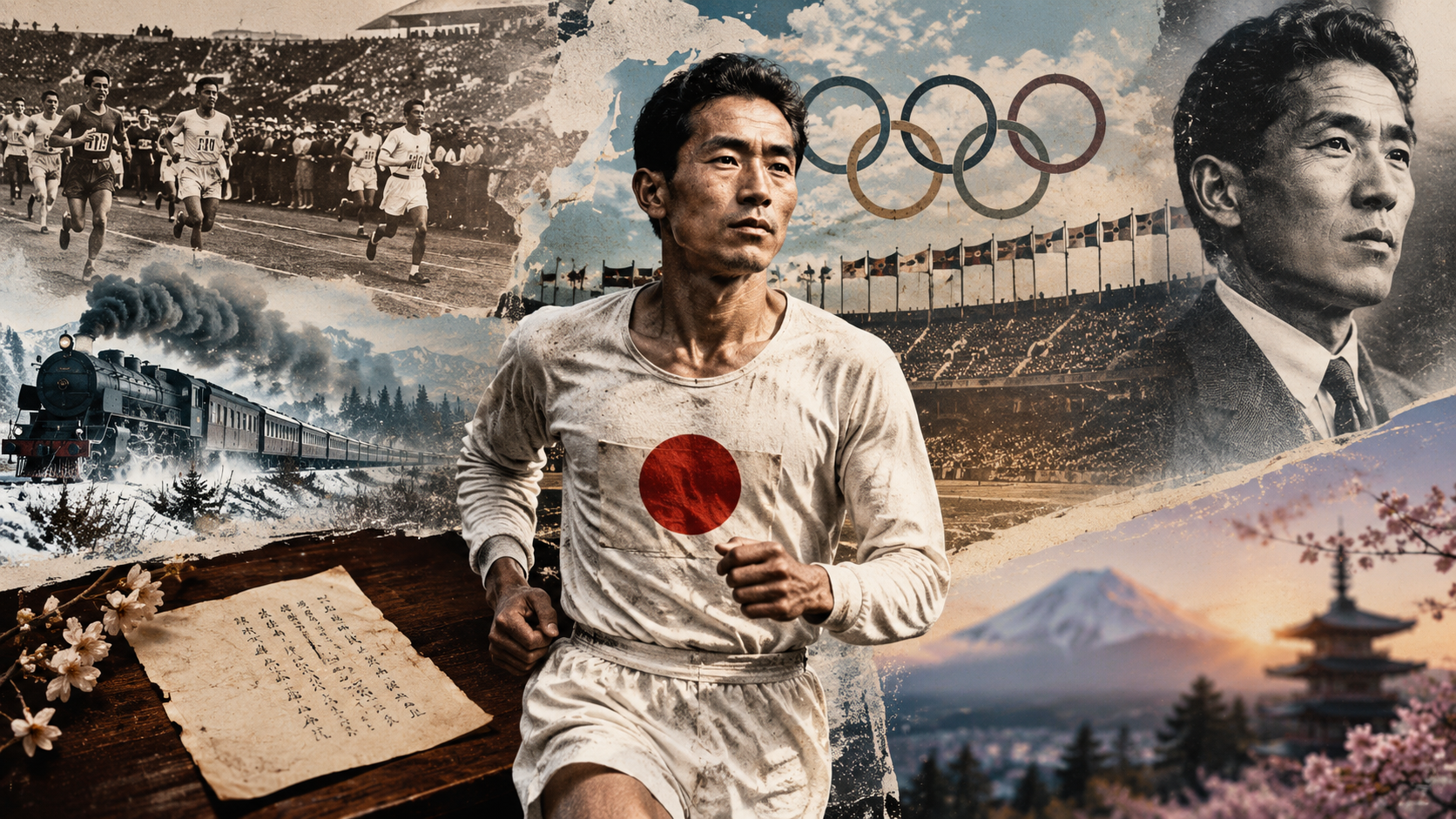
The story of Shizo Kanakuri is one of the strangest in Olympic history. A Japanese world-record holder traveled for weeks by ship and train to reach the 1912 Stockholm Olympics, only to collapse during one of the hottest marathons ever run. He disappeared without officially withdrawing, returned to Japan, and remained on Sweden's missing-person list for decades.
Then, 54 years later, he came back to finish the race.